

Why Lawn Fungus Is Common in Atlanta Lawns During Early Spring
Metro Atlanta’s climate creates several conditions that allow turf diseases to thrive during early spring.
Temperature Swings
March weather in North Georgia often shifts between cool nights and warmer daytime temperatures. These fluctuations can encourage soilborne fungal spores to germinate and infect grass blades.
Increased Moisture
Spring showers and overnight dew frequently keep grass blades wet for long periods. Extended leaf moisture is one of the most significant triggers of turf fungal diseases. Research from the University of Georgia Extension turfgrass program notes that prolonged moisture combined with moderate temperatures creates ideal conditions for many lawn fungi to develop.
Grass Recovering from Winter
As lawns begin to emerge from dormancy, root systems and grass blades may still be weak. During this transition period, turf is more vulnerable to fungal pathogens that have overwintered in the soil or organic debris.
Common Early Spring Lawn Diseases in Atlanta
Several turf diseases commonly affect lawns in the Metro Atlanta area during early spring.
Brown Patch
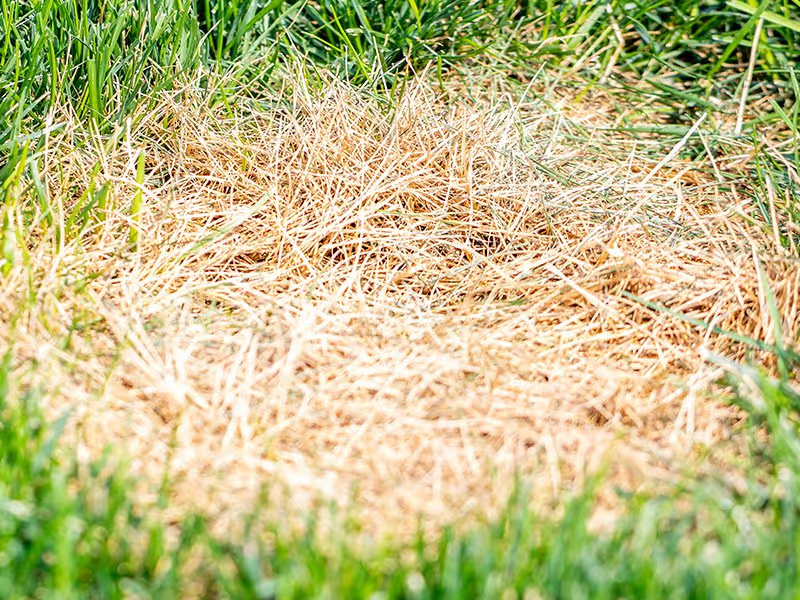
Brown patch often appears as circular or irregular brown areas that expand during warm, humid conditions. It commonly affects fescue lawns but can also appear in other turf types when moisture levels stay high.
Dollar Spot
Dollar spot causes small, straw-colored spots roughly the size of a silver dollar that can merge together as the disease spreads.
Red Thread
Red thread often appears in lawns that are low in nutrients after winter, particularly nitrogen. Homeowners may notice pink or reddish thread-like growth on the tips of grass blades. Early detection makes these diseases much easier to control.
Early Signs of Lawn Fungus in Atlanta Lawns
Many fungal problems begin with subtle symptoms. Keep an eye out for:
- Small discolored patches appearing overnight
- Grass blades that look water-soaked or greasy
- Circular thinning areas in the lawn
- Pink, red, or white thread-like growth on grass blades
- Areas that remain damp longer than the surrounding turf
If you notice these symptoms in your Atlanta lawn during warm, wet weather, a professional lawn inspection can help identify the problem early.
What Happens If Lawn Fungus Is Ignored?
When turf diseases go untreated, they can spread quickly across a lawn. Over time, this can lead to:
- Weakened turf that struggles during summer heat
- Increased weed growth in thin or damaged areas
- Longer recovery periods for affected grass
- Higher repair costs from overseeding or sod replacement
Addressing problems early helps protect your lawn's overall health and appearance.
How got lawn? Helps Protect Atlanta Lawns
At got lawn?, we provide lawn care services for homeowners throughout the Atlanta area, including Braselton, Roswell, and Johns Creek. In business since 2008, our local, family-operated company focuses on helping homeowners maintain healthier lawns through seasonal challenges, such as early-spring fungus.
Our Approach to Lawn Fungus Treatment
When you partner with got lawn?, you receive:
Professional Lawn Evaluations
Our technicians inspect your lawn to identify early signs of disease and turf stress.
Accurate Diagnosis
Different fungal diseases require different treatments, so identifying the issue correctly ensures the right solution is applied.
Targeted Treatments
We apply treatments designed to stop active fungal infections and protect surrounding turf.
Preventative Lawn Care
We also focus on improving turf health so lawns are more resistant to fungal diseases throughout the growing season.
Our highly trained and experienced team understands the soil conditions, climate patterns, and turf varieties common throughout North Georgia, enabling us to provide lawn care solutions tailored to local lawns.
Atlanta Lawn Fungus FAQ
What causes lawn fungus in Atlanta during early spring?
Early spring lawn fungus usually develops when warm daytime temperatures combine with frequent rainfall, heavy dew, and grass recovering from winter dormancy. These conditions are common in Metro Atlanta during March and April and can trigger fungal diseases in turfgrass.
What does lawn fungus look like?
Lawn fungus often appears as small brown or straw-colored patches, circular thinning areas, or grass blades that look water-soaked or discolored. Some diseases may also produce pink, red, or white thread-like growth on the grass.
Is lawn fungus common in Atlanta lawns?
Yes. The combination of warm temperatures, humidity, and seasonal rainfall in North Georgia creates favorable conditions for several turf diseases. Many Atlanta lawns experience some level of fungal activity during spring or early summer.
Can lawn fungus go away on its own?
Minor fungal issues may improve as weather conditions change. However, if warm and moist conditions continue, the disease can spread and cause larger areas of damage. Early treatment often helps prevent the problem from worsening.
When should lawn fungus be treated in Atlanta?
The best time to address lawn fungus is as soon as symptoms appear, particularly during early spring when turf is recovering from winter. Prompt treatment can help protect healthy grass and limit the spread of disease.
Protect Your Lawn This Spring
Early spring is the best time to address lawn fungus before it spreads. With the right attention and care, your lawn can stay healthy and green throughout the growing season.
If you notice unusual patches, thinning grass, or discoloration in your lawn, it may be time for a professional inspection.
Our team works with hundreds of Atlanta lawns each year and understands the turf diseases most common in North Georgia. You can rely on us to accurately assess your lawn and make the best recommendation.
Contact got lawn? today to schedule a lawn evaluation and treatment for early spring lawn fungus anywhere in the Metro Atlanta area.


