

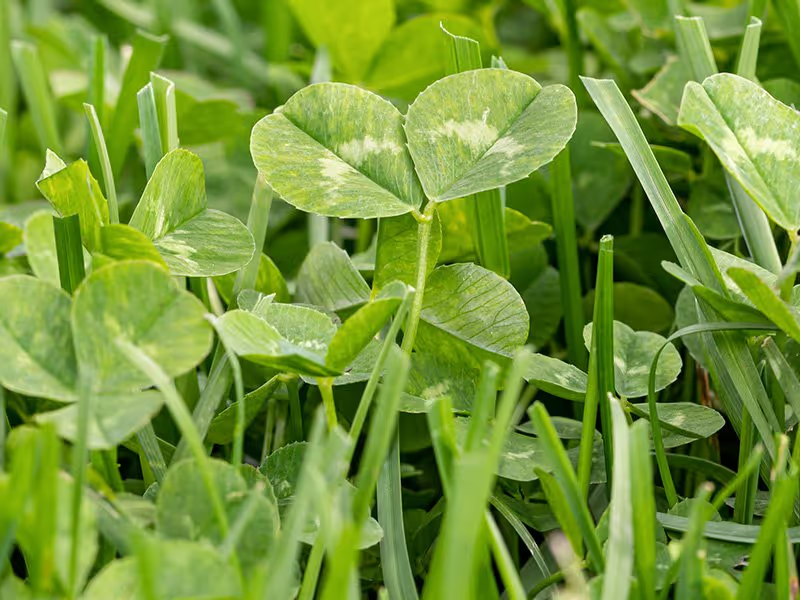
Clover
Clover is one of the first weeds homeowners notice in the spring. It stands out because of its lighter color and how quickly it spreads across thinner areas of the lawn.
It typically shows up in lawns that are low on nutrients. When the grass isn’t growing thick, clover takes advantage of the open space and begins to spread.
Chickweed
Chickweed grows low to the ground and can be easy to overlook at first. Once it gets established, it spreads quickly and forms dense patches that compete with your grass.
It thrives in cooler conditions, which is why it shows up early—before your lawn has fully started growing.
Henbit
Henbit is another common spring weed in North Metro Atlanta. It grows upright and produces small purple flowers, making it more noticeable than some other weeds.
Like chickweed, it takes advantage of the window when your lawn is still coming out of dormancy.
Dandelions
Dandelions show up in some North Metro Atlanta lawns, especially in thinner areas where the turf isn’t fully established. While they’re more common in cooler climates, they still appear here and stand out quickly because of their bright yellow flowers.
Like other broadleaf weeds, they take advantage of lawns that aren’t growing thick enough to compete.
Wild Violet
Wild violet appears in spring with small purple flowers and heart-shaped leaves. It tends to grow in patches and can be difficult to fully control once established.
It usually shows up in thin lawns or those holding excess moisture, and, like other broadleaf weeds, it spreads when the turf isn’t strong enough to compete.
Annual Bluegrass (Poa Annua)
Annual bluegrass, often called Poa annua, is a common spring issue in North Metro Atlanta lawns. It grows in clumps and produces small white seed heads that stand out against the rest of the turf.
Even though it looks like grass, it behaves like a weed, competing with your lawn for space and nutrients. It’s especially noticeable in early to mid-spring before summer heat causes it to decline.
Why These Weeds Show Up At The Same Time Every Year
Most homeowners deal with the same weeds year after year. It’s not random, and it’s not a coincidence.
In North Metro Atlanta, warm-season grasses like Bermuda and Zoysia are slower to fully green up in early spring. That creates an opening for weeds to establish before the lawn has a chance to compete.
Once that window opens, weeds move in quickly.
Most lawns that struggle later in the season start showing early signs right here in spring.
If treatments aren’t timed correctly, the lawn starts the season at a disadvantage and spends the rest of the year trying to catch up.
If you want to see how this timing carries over into the next phase of the season, take a look at our breakdown of late-spring weed control in Atlanta and what your lawn needs next to stay ahead of summer weeds.
Why Spring Weed Problems Aren’t Just About What You See
It’s easy to focus on what you can see—pulling or treating weeds as they show up. But lasting results come from strengthening the lawn so weeds have less space to grow.
That means supporting turf growth at the right time and building consistency from one treatment to the next.
When that happens, lawns in this area begin to fill in, and weed pressure naturally starts to drop.
Why DIY Treatments Usually Don’t Solve The Problem
Most homeowners try to handle spring weeds on their own. It seems straightforward, but this is where things often fall apart.
The timing is usually off. The wrong products get used. Follow-up treatments don’t happen.
Some weeds disappear, but others come right back because the lawn never gets thick enough to compete.
We’ve corrected this exact issue hundreds of times across lawns in Alpharetta, Roswell, and Johns Creek. It’s not about effort—it’s about using the right approach for how lawns in this area actually behave.
Local Lawn Care Makes A Difference
Lawns in our area deal with dense clay soil, high humidity, and long stretches of heat. Those conditions affect how weeds grow and how treatments need to be applied.
At got lawn?, everything is built around what works here. Applications are timed according to local soil conditions, and treatments are selected based on the weeds and turf types that appear across North Metro Atlanta lawns.
That local focus removes the guesswork and allows lawns to respond the way they’re supposed to.
FAQs About Spring Weeds In Atlanta Lawns
Why do some lawns have more weeds than others in the same neighborhood?
It usually comes down to lawn density and consistency of treatments. Thinner lawns leave more space for weeds to grow, while lawns treated at the right times tend to fill in and crowd out weeds.
Can weeds spread from one lawn to another?
Yes. Weed seeds can move through wind, mowing, and foot traffic. That’s why even well-maintained lawns can still see new weeds if they’re not being consistently managed.
Why does my lawn look worse before it gets better after treatment?
In some cases, weeds may start to fade or discolor before they fully disappear, which can make the lawn look uneven for a short time. That’s a normal part of the process. What matters is how the lawn responds afterward—thickening up and filling in so weeds don’t come back.
Get Ahead Of Spring Weeds Before They Spread
If you’re already seeing weeds, your lawn is telling you it needs attention now—not later.
Our lawn care services are designed to stay ahead of that cycle, with each visit building on the last so your lawn keeps improving instead of starting over each season. As a locally owned and family-operated company serving North Metro Atlanta since 2008, got lawn? delivers dependable service and consistent results, backed by a 100% satisfaction guarantee.
If you want a thicker, healthier lawn heading into summer, now is the time to get started.
Learn more about the got lawn? care program or schedule your first service today.


