

When Are Fall Armyworms a Problem in Atlanta?
Fall armyworms show up in Georgia every summer. They can't survive our winters — instead, moths ride weather fronts up from Florida and the Gulf Coast each spring and summer, working their way north until the whole state is reinfested. In metro Atlanta, caterpillars are typically active from July through the first frost, with two to three generations possible in a single season. Pressure usually builds through August and peaks in late summer and early fall, so late-season lawns are often hit hardest right when homeowners least expect it.
Outbreaks aren't the same severity every year — UGA Extension notes that Georgia tends to see a genuinely bad, fast-moving outbreak every three to four years, with drought years making it worse (some of the armyworm's natural predators are less active when it's dry). Whether this is a heavy year locally or not, the safest approach is still to start watching your lawn in July and stay on it through fall.
Why Fall Armyworms Are So Destructive
Fall armyworms aren't worms at all; they're caterpillars. Large groups of these pests "march" across lawns, chewing through grass blades as they go. They feed aggressively, and in Atlanta's hot, humid climate, they can turn a lush green yard into brown stubble in just a couple of days.
Why They Love New Sod
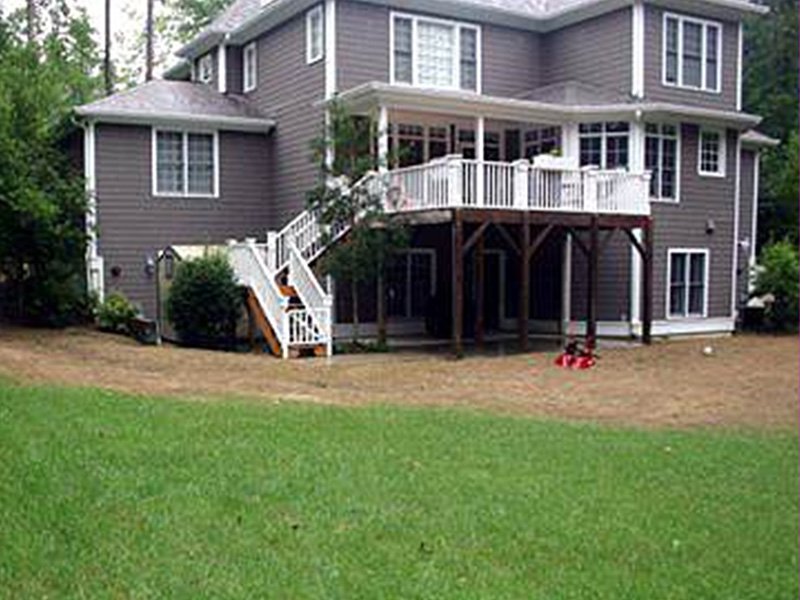
Got new sod? Watch out. Armyworms love it because it's soft, tender, and well-watered—basically a perfect meal. Homeowners often think the sod brought the pests in, but in most cases, armyworms were already in the yard and just couldn't resist the fresh grass. UGA Extension specifically recommends treating newly installed sod proactively when armyworm pressure is high in the area, since young grass can be destroyed before most homeowners even notice a problem.
Signs You May Have Armyworms
Here's what to look for in your lawn:
- Brown or dead patches that seem to spread quickly
- A sudden flock of birds feeding in your yard often means insects are present
- Visible caterpillars that are green, brown, or black with stripes and an inverted "Y" on their heads
- Damage that moves across the lawn, rather than appearing everywhere at once
The Soap Flush Test: How to Confirm Armyworms Yourself
You don't need to test your lawn yourself—got lawn? will assess it for you and confirm the cause of the damage. But if you'd like to check before calling, here's a simple way to confirm it's armyworms. Mix about 2 tablespoons of lemon-scented dish soap into a gallon of water, then pour it slowly over a 1-square-foot patch of lawn at the edge of visible damage. If armyworms are present, they'll surface within a few minutes to escape the irritation.
How Fast Can They Damage My Lawn?
Very fast. A severe armyworm infestation in Georgia's warm climate can devastate a lawn in 24 to 48 hours. Quick action is critical.
Can Homeowners Control Armyworms on Their Own?
There are products available, but timing, product choice, and application matter. Common DIY missteps include:
- Using too little product, or a product that isn't labeled for armyworms
- Applying at the wrong time of day (armyworms feed mainly at night, so late-afternoon/evening applications tend to perform better)
- Skipping the follow-up treatment needed to catch the next hatch
Most home-center sprays kill on contact but break down within days, so they won't stop the next wave of eggs from hatching. Missing any of these steps often just lets the armyworm cycle continue.
Why Professional Treatment Works Best
At got lawn? Tree & Turf Care, we offer preventative and curative armyworm control services in Cumming, Alpharetta, and throughout Metro Atlanta.
Our preventative treatment provides season-long armyworm control in a single application—and it doesn't stop at armyworms. The same treatment also protects against white grubs, black cutworms, sod webworms, and billbugs. The earlier it's applied, the better the results, so we recommend scheduling for June or July, ahead of the season's peak pressure.
If armyworms have already moved in, we offer a one-time curative treatment that knocks the infestation down fast. We can perform this treatment anytime an infestation is identified. Our professional-grade products and correct timing are what make this more effective than a DIY approach.
Armyworm Prevention Tips for Atlanta Homeowners
- Inspect your lawn regularly from July through the first frost, especially after dry spells.
- Go easy on quick-release nitrogen in late summer; lush, tender growth is what attracts egg-laying moths in the first place.
- For guaranteed protection, schedule a preventative treatment with a trusted lawn care company like got lawn?
- Being on a regular lawn care program also means a technician is already on your property regularly, so an infestation is more likely to be caught early rather than going unnoticed until the damage spreads.
Common Questions About Fall Armyworms
What's the difference between armyworms and sod webworms?
Both are caterpillars that chew up Atlanta lawns, but they behave differently. Sod webworms feed at night in small, scattered patches and tend to do slower, more contained damage. Armyworms feed in large groups, move across the lawn together, and can strip a section of turf in a day or two—which is why the damage looks like it's "marching" rather than just spreading.
Do armyworms damage anything besides lawns?
Yes. Fall armyworms aren't picky about turf—they'll feed on ornamental grasses and garden beds too. If your lawn has an infestation, it's worth checking nearby grassy areas of your property as well.
How can I tell armyworm damage apart from drought stress or grub damage?
Drought stress browns a lawn fairly evenly and doesn't spread in a defined direction. Grub damage tends to leave turf that pulls up loosely, like a carpet, because the roots below have been eaten. Armyworm damage does the opposite—the blades get chewed while the roots stay intact, and the brown patches visibly march across the lawn in one direction over a day or two.
Lawn Recovery After an Armyworm Infestation
In most cases, warm-season grasses common in our area (like bermudagrass and zoysia) will recover because armyworms only eat the blades, not the stolons and rhizomes below the surface. With proper care, your turf can bounce back.
Cool-season grasses like tall fescue are more vulnerable to lasting damage. Severe infestations may require overseeding—or even re-sodding—especially since fescue can go from healthy to destroyed in 24–48 hours.
Don't Let Armyworms Ruin Your Lawn
Fall armyworms may be seasonal visitors, but they can undo months of lawn care in just a day or two—and the faster you act, the less recovery your lawn needs. If you suspect armyworms or just want peace of mind, contact got lawn? today for a comprehensive inspection and treatment plan.
This blog was originally published on August 1, 2025. Updated August 3, 2026.


